Running A-Frame
Don't Stop Me Now!
A self-study course for a fast, reliable, independent running A-frame, one your dog actually understands.
Teach it from scratch. Retrain a stopped contact. Or fix one that keeps falling apart at trials. The method is the same — and it's simpler than it looks.
$147 · Lifetime access.
Get the Course for $147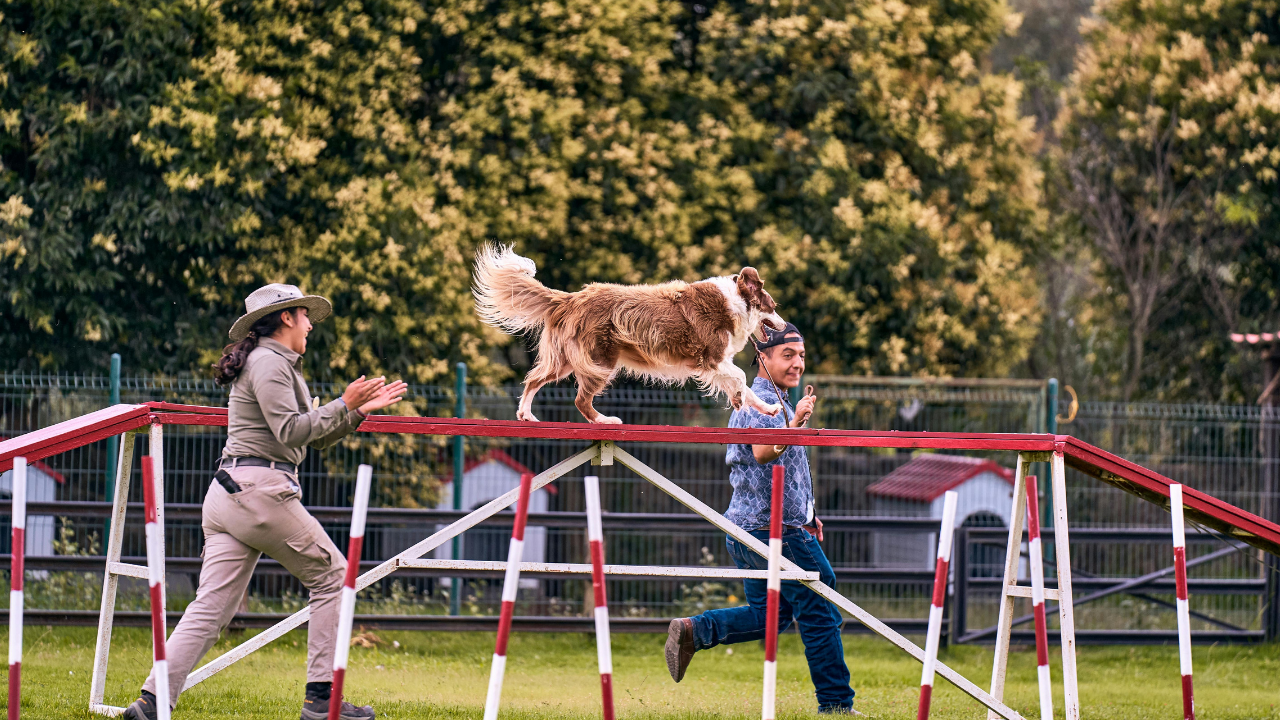
Your Dog Hits It in Practice.
So Why Does It Fall Apart at Trials?
You've seen your dog nail the A-frame at home a hundred times. Then you walk into a trial and watch them fly right over the contact — and there goes your Q.
Here's what's really going on:
Your dog is happy to take the reward. But do they actually know what they did to earn it?
Most of the time, the honest answer is no. The dog performed the A-frame, something felt right, a cookie appeared — but the dog was never taught the precise behavior that mattered. There's no clear criteria. So at home, in a low-pressure rep, it works out. Add trial speed, distraction, and adrenaline, and the whole thing gets fuzzy. The contact gets missed.
That's not an excited dog problem. It's not a talent problem. It's not you not working hard enough.
It's a criteria problem — and it's completely fixable.
Sound Familiar?
This shows up in three very common situations:
Starting from scratch. You're teaching the running A-frame for the first time and you want to build it right from the start — instead of creating a habit you'll have to fix later.
Retraining a stopped contact. Your dog has a reliable stopped contact, but you're tired of leaving speed on the table at bigger events and you want to convert to a running A-frame without losing the reliability. There's a health case too, especially for big, fast dogs: driving from full speed into a hard stop at the bottom of a steep slope loads the shoulders and leg joints, and that repeated impact can add up to injuries over time. A running contact lets your dog come off smoothly, at speed, without the pounding.
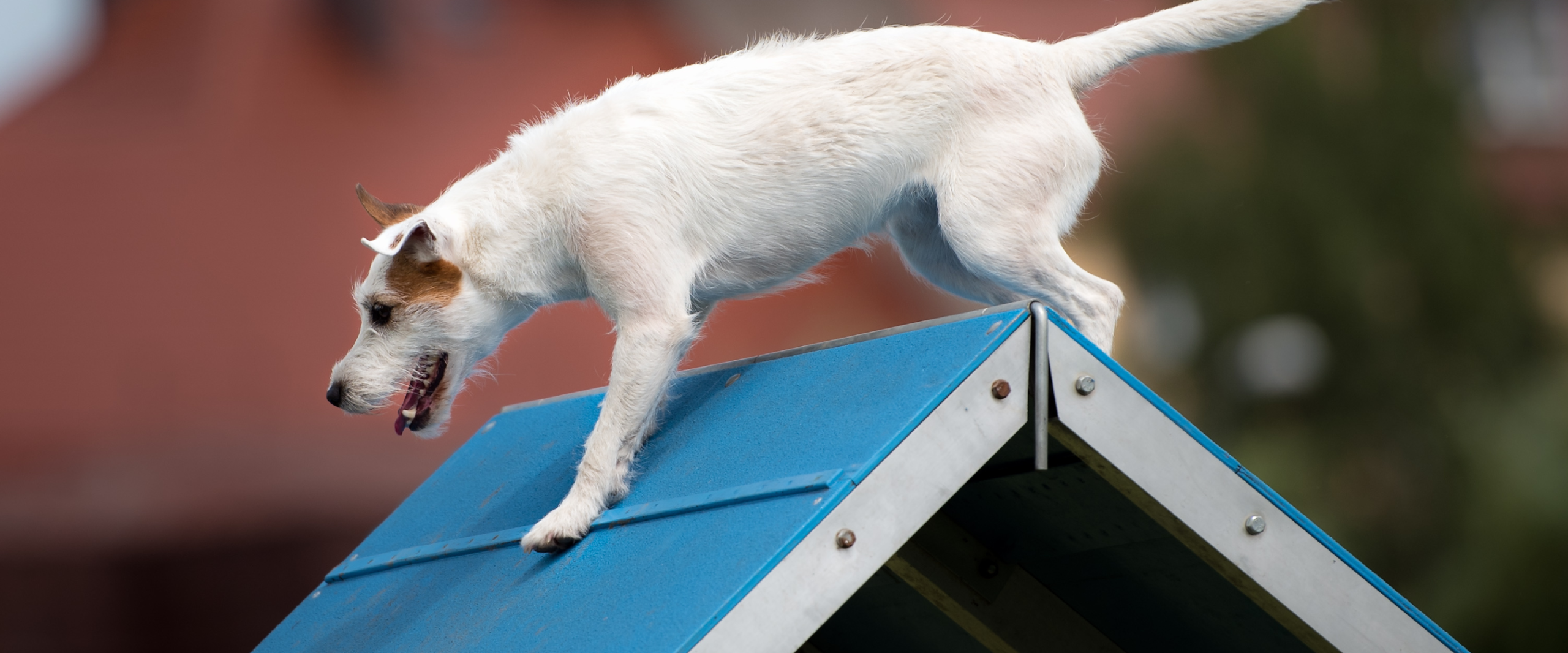
Fixing one that's broken. Your dog used to hit it just fine — and now they're creeping, leaping, or missing. This is especially common with small dogs, where we assume they'll always hit it because they're small, so we never actually gave them any criteria at all. It also shows up in dogs trained only with a target and food at the bottom of the frame.
If any of those is you, you're in exactly the right place. Same method, different starting line.
Great A-Frame Training Isn't Agility Training.
It's Dog Training.
I'm not just an agility instructor. I'm a dog trainer first — a Karen Pryor Academy Certified Training Partner — and that's the whole difference training the A-frame.
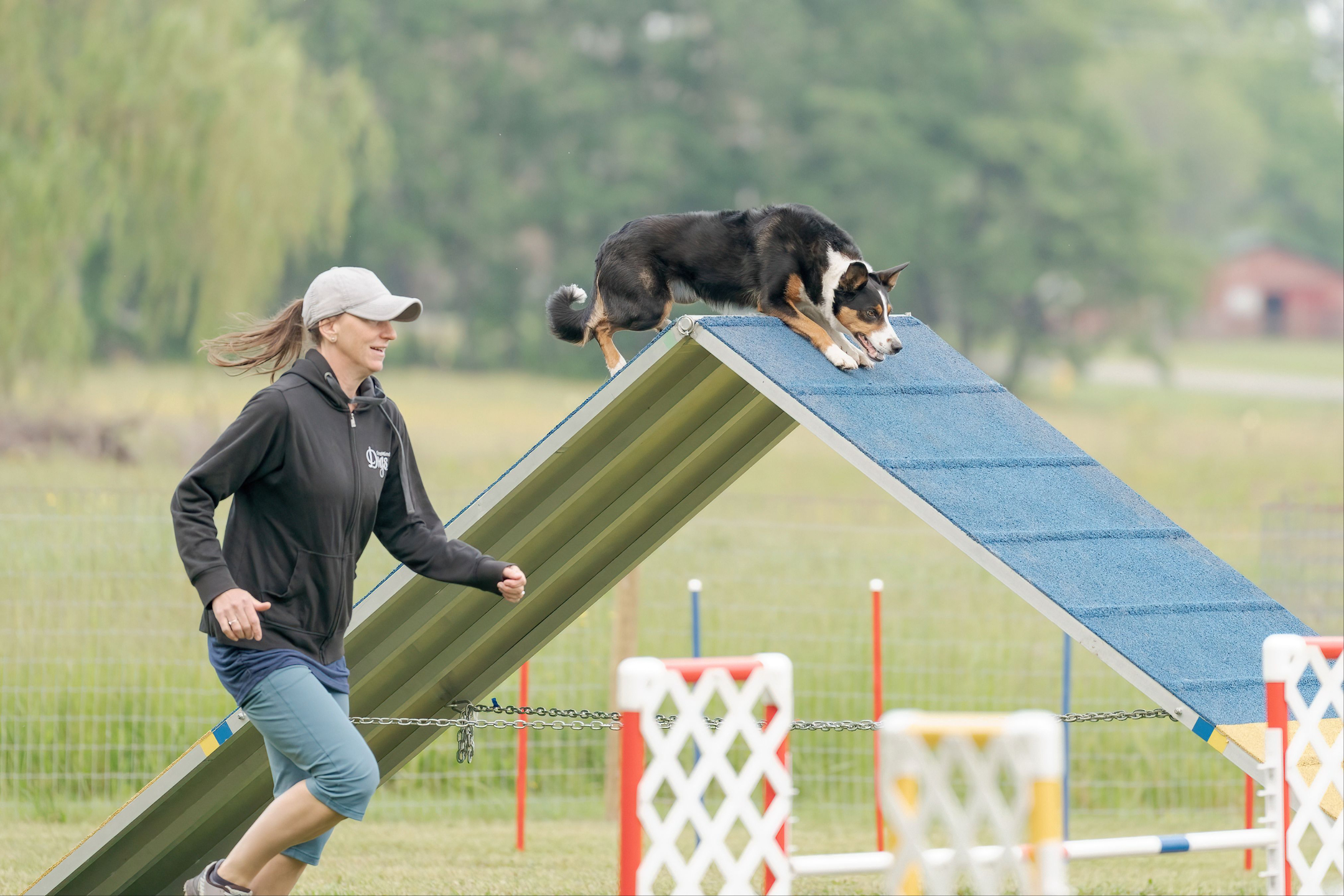
The running A-frame isn't hard. But it lives or dies on the details: what exactly you're rewarding, how you break the skill into steps small enough that the dog can't get it wrong, and how you know the dog truly understands each step before you move on. It's easy to think you're rewarding the right thing when your dog is really just running and grabbing the cookie — happy to be paid, with no idea which part earned it.
This course keeps the criteria unmistakable at every step: your dog learns that one specific thing — their feet hitting the box — is what pays, separate from where you are, how fast you're moving, where the A-frame sits, or whether you're training at home or standing at the start line of a trial.
When your dog knows their criteria — clearly, specifically, deep in their body — the contact holds up. At speed. Under pressure. Whether you're ahead, behind, or right next to them on course.
The steps are simple. The details matter.
Introducing Running A-Frame: Don't Stop Me Now!
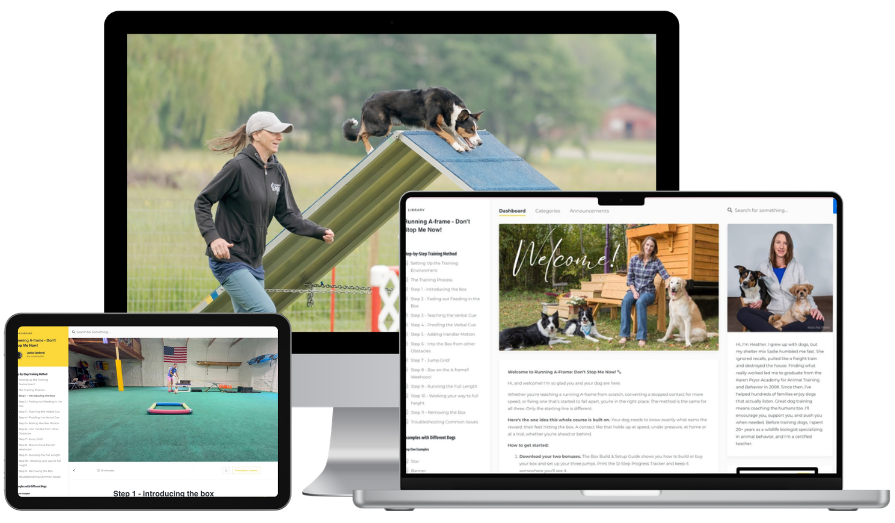
A complete, step-by-step self-study course that takes you from the very first foundation rep to a fast, independent running A-frame you can trust in the ring.
It's built around the box method, and here's the part that surprises people: almost all of the foundation is done without an A-frame at all. You'll do the early work in your backyard with a box and three jumps.
By the time you bring in an actual A-frame, your dog already understands the behavior — so that final stage goes fast.
Get the Course — $147How the course is built:
12 step-by-step instructional videos. Each video teaches one simple step — how to train it, how to work through the common struggles, and exactly how to know your dog is ready for the next step. You follow along, step by step, in order.
The multi-dog training library. A whole separate section of real training sessions with a variety of dogs, clearly labeled by step and by dog. Each dog comes with a background — brand new to it, a retrain, a small dog, a big fast dog — so you can find the dog most like yours and watch how their sessions actually went. This is real training, not a polished demo.
Advanced topics. Troubleshooting, retraining from a stopped contact (and why that switch has so many benefits), maintaining long-term consistency, transitioning to stride regulators — when to use them, when not to, and why you start with the whole box instead of just a stride regulator — plus how to build more speed.
The one rule that matters most: don't skip steps. Follow them in order and this can move quickly. I trained my young border collie, Banner, from scratch to a consistent competition running A-frame in about two weeks. Retrains usually take a little longer, but not much.
Everything Included Inside the Course

12 Step-by-Step Training Videos
The complete method in order, each video one clear step — how to train it, how to fix the hiccups, and when to move on. No guessing where you are or what comes next.
The Multi-Dog Training Library
Real sessions with multiple dogs working through every step, labeled by step and by dog, each with background on the dog and their situation. Find the dog like yours and watch it done for real — new dogs, retrains, small dogs, big fast dogs.
Advanced & Troubleshooting Modules
Retraining from a stopped contact, the benefits of making that switch, maintaining consistency over time, transitioning to stride regulators the right way, and building speed.
Two Bonus Downloads
Box Build & Setup Guide — a simple guide to building or buying your training box, plus your 3-jump setup. 12-Step Progress Tracker — a printable checklist that keeps you honest about the one rule that matters most: don't skip steps.

Lifetime Access
The course lives in your library. Come back to it for your next dog, or any time you need to tune things up.
All of this for $147. One time. Yours for life.
Get the Course — $147Why the Box Method — and Why Start With the Whole Box?
The box method has been around a long time, and for good reason: it works.
What this course does is lay it out in a clear, simple order that leaves nothing out — so you always know what to do next, and why.
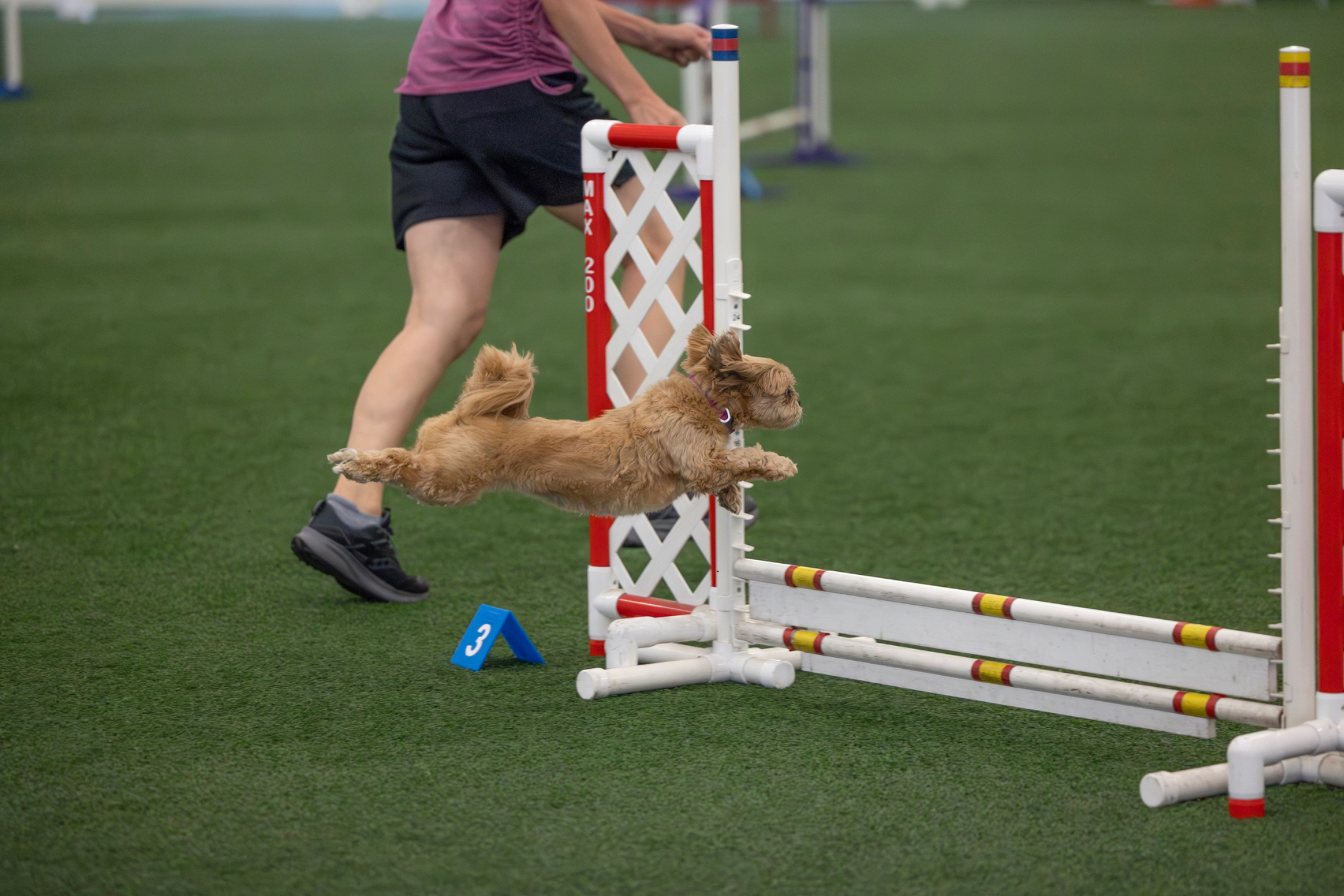
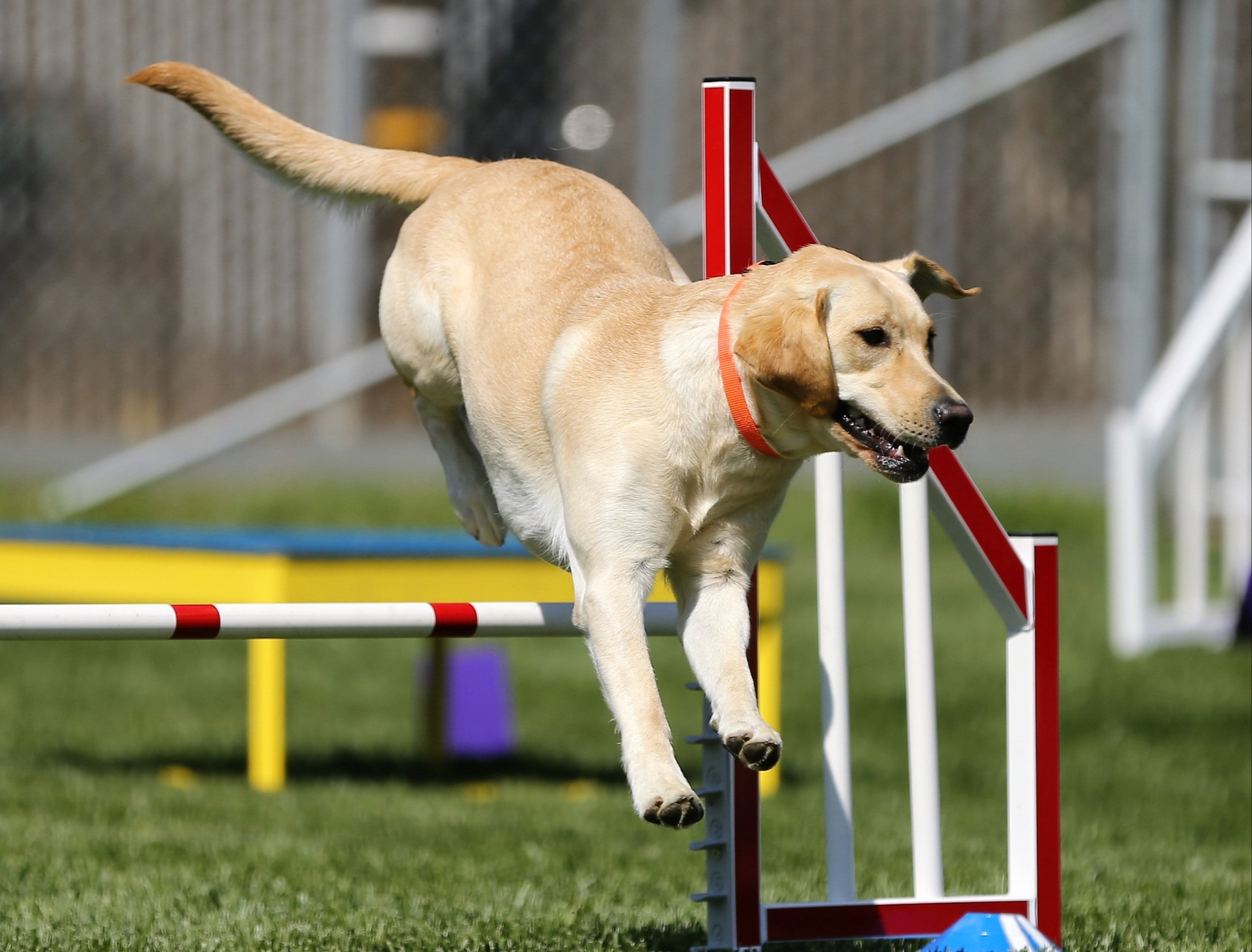
The backyard foundation is the key.
The prep you do with just a box and three jumps, before the A-frame ever comes in, is where your dog learns exactly what the behavior is. Get that part right, in small, clear steps, and the A-frame stage at the end goes quickly — because your dog already understands the job.
Here's the whole equipment list.
A training box (I'll show you how to make your own or where to buy one) and three jumps for the foundation work. That's it to start.
You only need an A-frame at the end.
Once you've done the foundation and you're ready for the final stage, you'll want to get on an actual A-frame a few times a week. That's the only part that needs the equipment — and by then your dog already understands the job.
Start with the whole box, not a stride regulator.
A lot of handlers want to jump straight to a stride regulator because it looks like the fast way. Inside the course I'll show you why you start with the whole box instead: it builds your dog's real understanding of the behavior, not just a physical prompt to lean on. Then I'll show you how and when to transition to stride regulators — and when you don't need them at all.
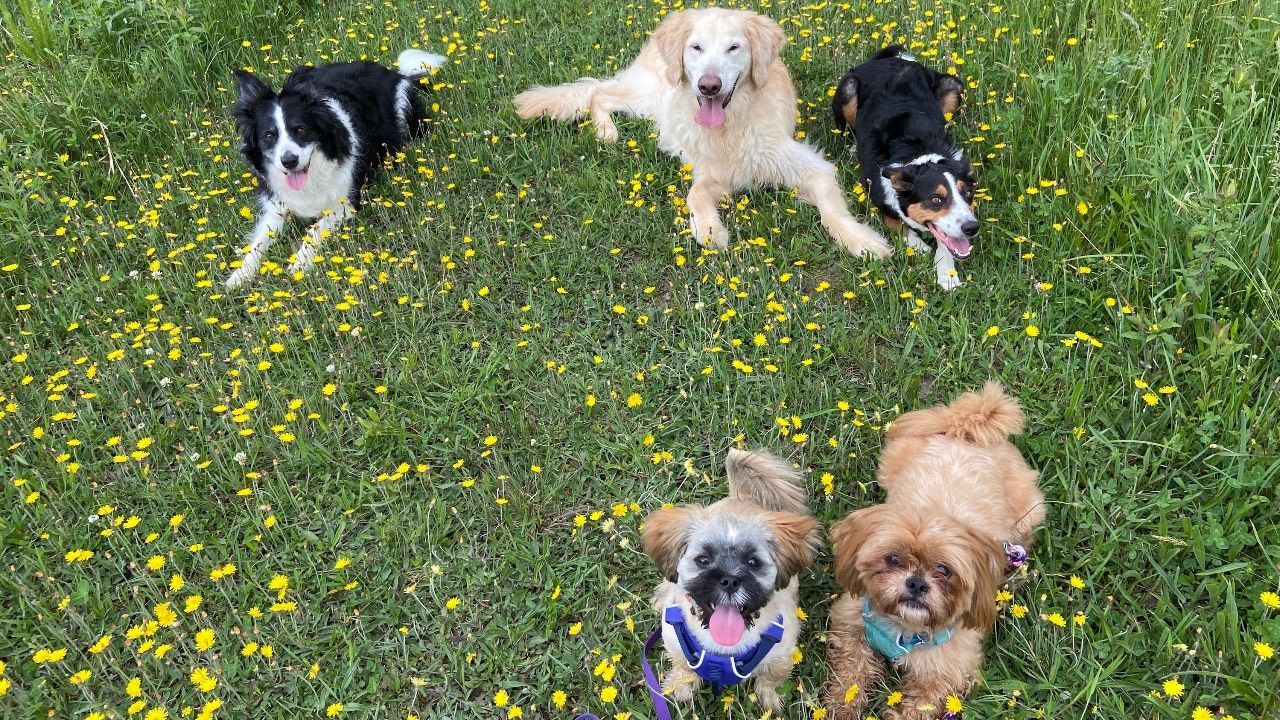
Any dog handler can train this.
The foundation is all backyard work. The A-frame comes in at the end, when your dog is ready for it — and that's when it goes fast.
No secrets. No special tricks.
Just good, solid training, in the right order, that actually holds up.
Meet the Dogs
You'll see all three of these dogs — plus others — working through the method inside the course, so whatever your situation looks like, you can watch it done for real.
Banner — From Scratch. My younger border collie had never done an A-frame before I trained him with this exact method. Start to finish, consistent running A-frame in about two weeks, and he's holding up beautifully in competition.
Star — The Retrain for Speed. Star had an extremely reliable stopped A-frame. I retrained her to a running A-frame specifically so I could be more competitive at national and international events, where those saved seconds matter. Proof that you can trade up to speed without giving up reliability.
Buttercup — The Small-Dog Fix. My Lhasa Apso. I never formally trained her contact behavior — she's small, she was hitting it fine, so why bother? Then she started missing it. Because she never actually had any criteria. This is the single most common small-dog story in agility, and Buttercup is the fix on video.
A missed contact is almost never a small dog being small. It's a dog who was never told what the job actually was.
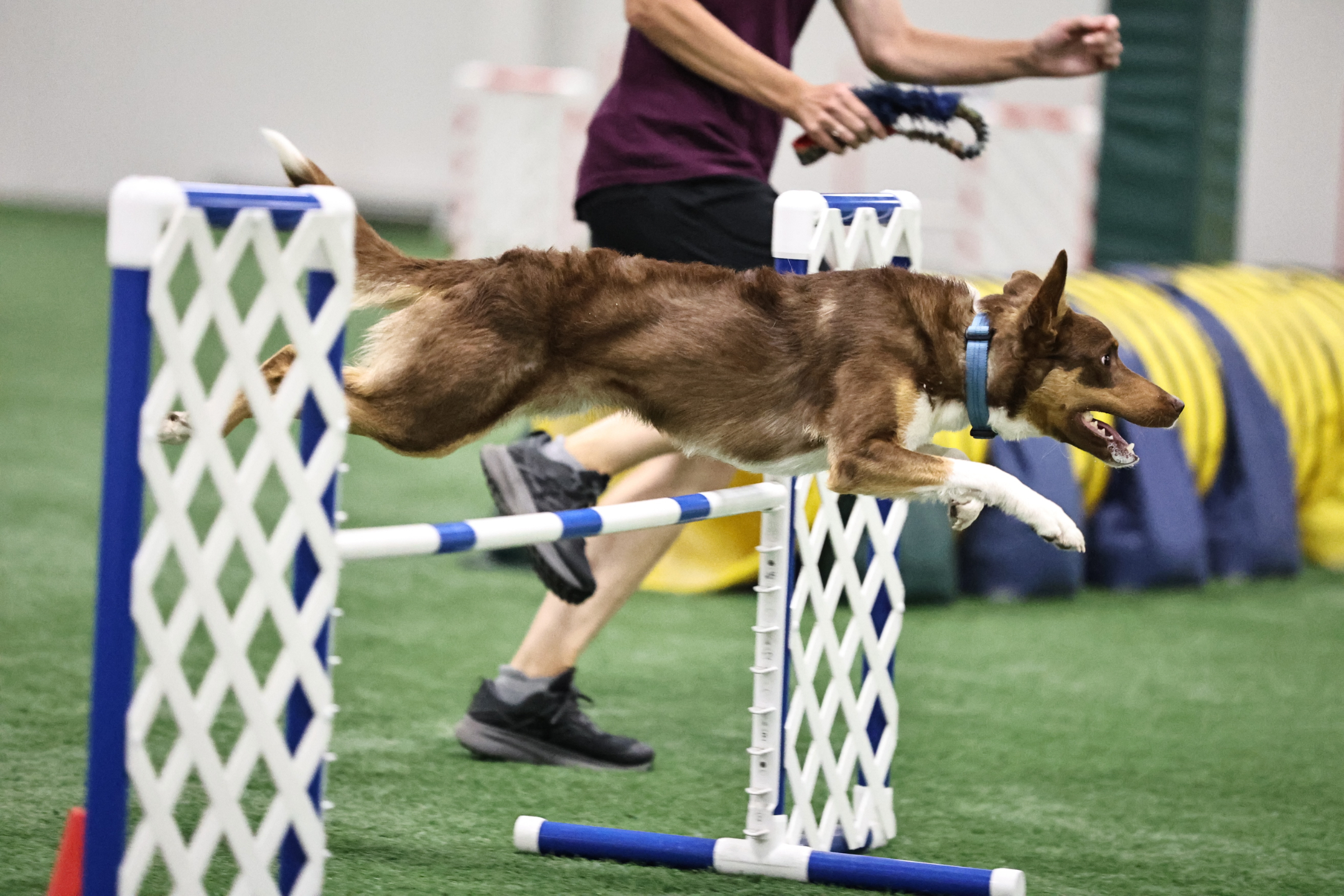
This is for you if:
✓ You're teaching a running A-frame for the first time and want to build it right from day one.
✓ You have a solid stopped contact and want to convert to a running A-frame for more speed — without losing reliability.
✓ Your dog's A-frame has started creeping, leaping, or missing and you want to fix the criteria at the root.
✓ You've got a small dog you assumed would always hit it — and now they're not.
✓ You're willing to follow the steps in order and not skip ahead. (That's the whole game.)
This probably isn't for you if:
✗ You want a magic fix that skips the foundation work. The foundation IS the method.
✗ You're not willing to film your training and watch it back to check your dog's criteria honestly.
Follow the steps in order and this can move quickly. Your dog is ready when you are.
GET THE COURSE — $147
Your Instructor
Hi, I'm Heather.
I compete in dog agility at the highest levels of the sport, including representing the United States at the IFCS World Agility Championship. I run Heather's Dog School in Corfu, NY, where I've coached handlers of every level for years.
But the thing that actually matters for this course is how I'm trained.
I'm a Karen Pryor Academy Certified Training Partner — a dog trainer, not just an agility instructor. Great agility training starts with understanding how dogs learn: how to read what a dog is telling you, how to break a skill into steps the dog can succeed at, and how to know which step broke down when something goes wrong.
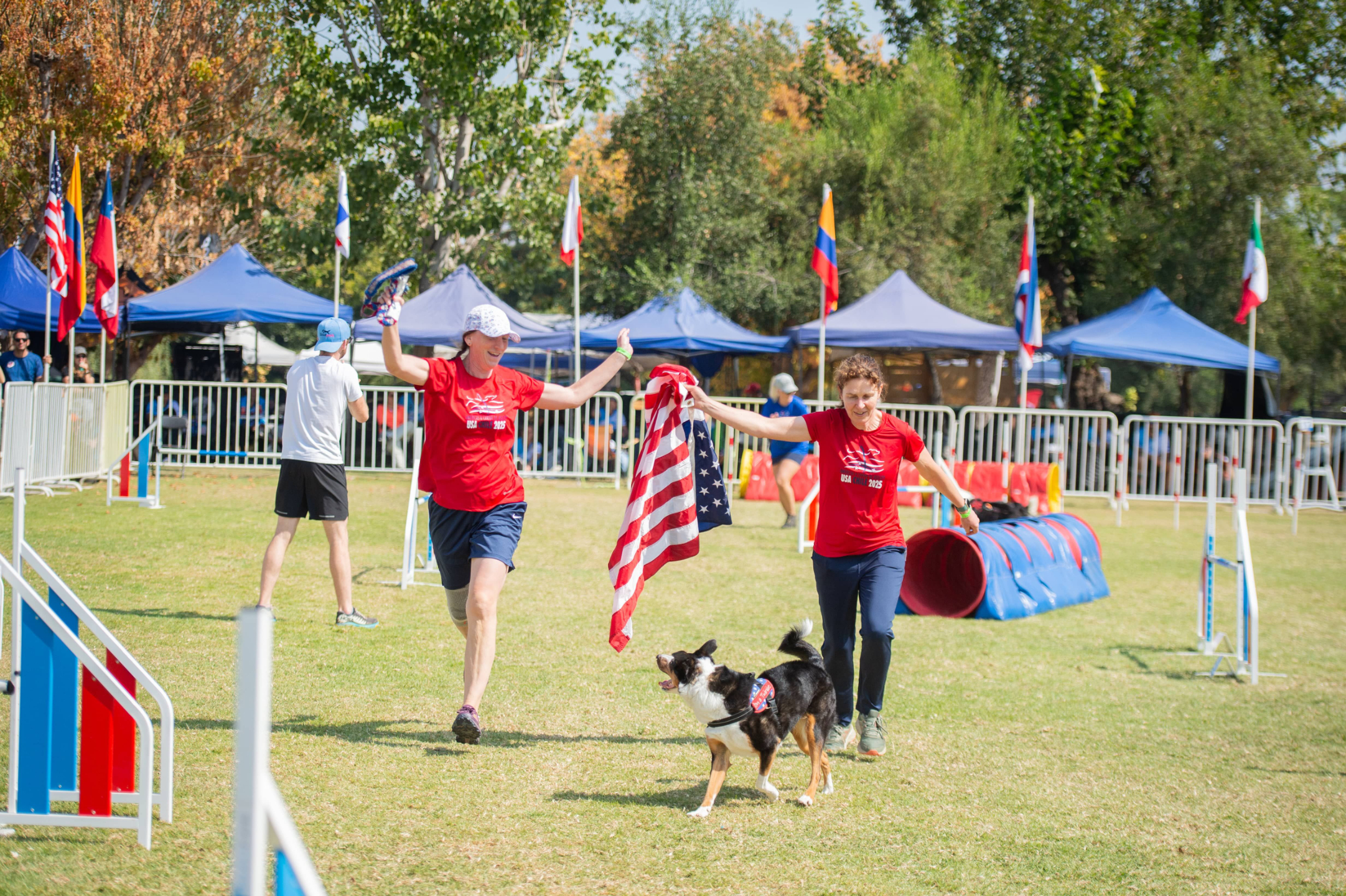
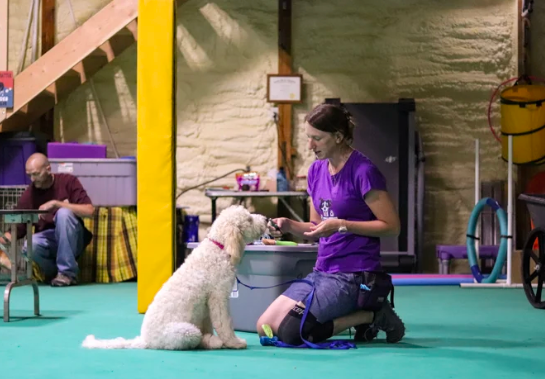
Here's something I see constantly: a handler is sure their dog knows the job, when the dog actually has no idea what earned the reward — and from the outside, most people can't tell the difference. Spotting that gap, and knowing exactly how to close it, is where being a real dog trainer matters most. It's the difference between coaching this as a craft and coming at it as a hobby.
That's the foundation this whole method sits on. It's why the A-frame you build here isn't a trick your dog performs and hopes is right — it's a behavior your dog genuinely understands. And that's what holds up when it counts.
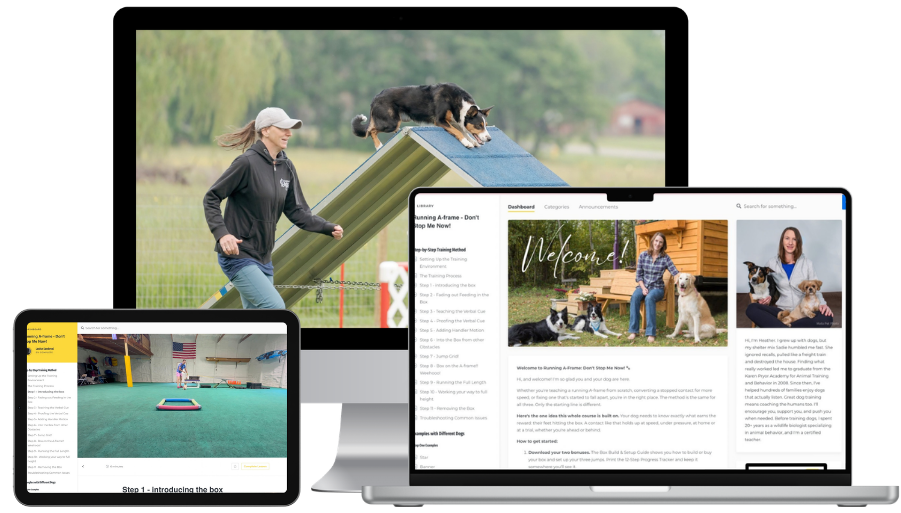
Simple. Straightforward. Yours for Life.
$147
Running A-Frame: Don't Stop Me Now!
Get the Course — $147Frequently Asked Questions
Do I need a full A-frame to start?
My dog already has a stopped contact. Can I switch?
I have a small dog. Is this for us?
How long does it take?
What if I've never trained a running contact before?
Is this a live program?
Can I get personal feedback on my training?
I'm already in Q-Lab. Do I need to buy this?
What's the guarantee?
Give Your Dog a Contact They Actually Understand
A running A-frame that holds up at speed, in the ring, whether you're ahead or behind — that's not luck and it's not about having a special dog.
It's clear criteria, built step by step.
That's exactly what's waiting inside. Take a full week to look inside the course — if it's not right for you and your dog, email within 7 days for a full refund. No hard feelings.
Get the Course — $147